The dash reads zero. The car won’t move. Now you have to decide. A mobile EV charge at the car and a tow are not the same call. One adds miles at the stall. The other moves the car to a yard. The decision is whether the car can accept a charge.
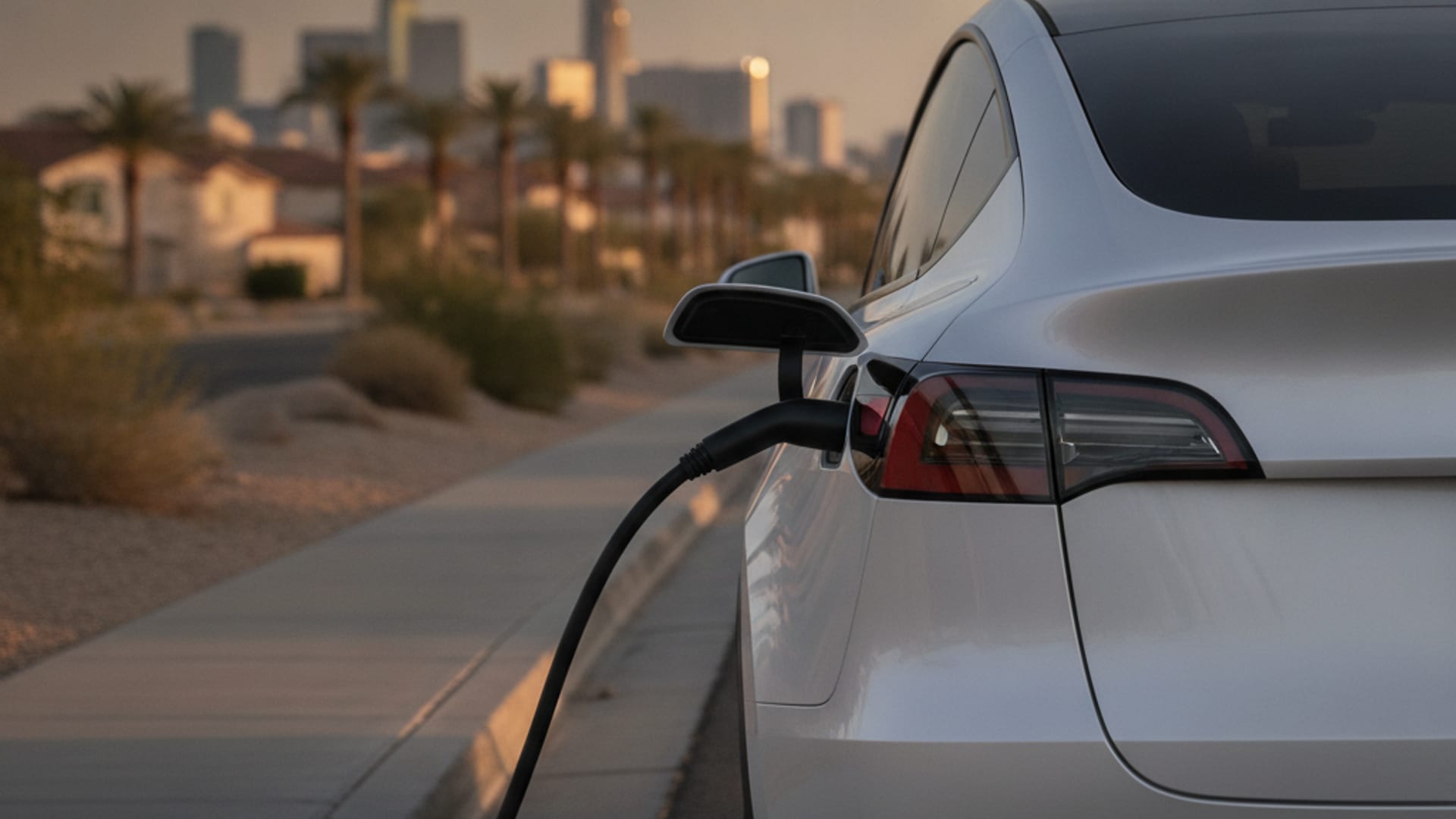
The split that decides the call
Two failures look the same from the curb. The car is stopped. The pack is low. The car won’t ready.
If the car wakes, the dash is on, and the traction pack has energy, the 12V is the suspect. A jump or an on-site 12V replacement wakes the car. The pack still has the same range. You drive home. That’s not a charge and it’s not a tow. It’s a Tesla 12V battery jump.
If the traction pack is at zero or the car refuses to take a public session, the operator brings a Level 2 source to the stall. A typical session adds 10 to 20 miles of range in 15 to 30 minutes of charging. That’s mobile EV charging at the car. You stay in park. The pack climbs. You drive away.
If the car won’t take a charge at all, the operator may recommend a flatbed. That’s a different call. A car that won’t take a charge has a hardware fault, a contactor problem, or a pack isolation issue. A mobile charge won’t help. A flatbed to a shop is the next step. NAC 706.408 sets the rates. They’re operator-filed, not capped at a statewide number.
Why the right call matters
A mobile charge costs less than a tow. A tow moves the car. A charge adds miles. The two are not interchangeable.
A driver who calls for a tow on a car that could have been charged at the stall paid the tow rate and still needs a charge. The car gets to the yard. The yard doesn’t add miles. The driver still needs a mobile charge at the yard, or a ride home and a return trip.
A driver who calls for a mobile charge on a car that won’t accept one paid the charge call-out fee and still needs a tow. The car still has to move. The driver still pays the tow.
The decision is whether the car can charge. That’s a question for the operator at the curb, but you can frame it from the driver’s seat.
How to tell from the curb
If the car wakes and the gauge shows any range, the pack isn’t dead. The 12V is the suspect.
If the car won’t wake and the fob doesn’t respond, the 12V is also the suspect. Don’t keep tapping the screen.
If the dash is on and the gauge reads zero or single digits, the pack is the problem. A mobile charge at the stall is the right call.
If the dash throws a hardware fault, a contactor error, or a pack isolation warning, the car won’t take a charge. A tow to a shop is the right call.
Describe the dash to the operator on the phone. They’ll bring both tools and pick the right one at the curb.
For the regional breakdown, the EV roadside assistance guide for the Las Vegas Valley walks through the calls in each region.
What an operator brings to that stall
Charge Pro LV is a referral line. It matches stranded EV drivers with independent local mobile rescue operators. It performs no work, owns no trucks, and employs no technicians. It doesn’t set prices or publish hours. The operator quotes you before starting, then bills you directly. The pros we connect you with are licensed and insured.
Operators bring a 240V Level 2 source, a portable 12V replacement, and the cable adapters for both NACS and CCS. The right connector matters. The operator we connect you with shows up with both, in case the car is a guest vehicle.
If the operator recommends a flatbed, that’s the answer. Don’t argue with the operator about a charge when the car won’t take one. The tow to a shop is the right next step.
NDOT’s Freeway Service Patrol covers the most-traveled valley freeways from 5:00am to 8:30pm. Quality Towing operates it, GEICO sponsors it. NDOT’s published patrol materials don’t mention EV charging. A trailhead, an apartment lot, or a resort garage isn’t a freeway shoulder.
Stay legal while you decide
NRS 484B.440 covers a vehicle disabled so it cannot avoid stopping. It’s exempt from the no-stopping rule. NRS 484B.443 lets law enforcement remove a vehicle after 24 hours on a freeway or primary highway. A 24-hour clock starts the moment the car stops moving on its own power.
Private-property tows follow NRS 706. Posted signs and a 48-hour warning sticker are required before a vehicle can be moved. Don’t assume a failed charger in an apartment lot gives you the right to camp overnight.
Skip the scavenger hunt
Skip the hunt if any of these is true.
The pack is below ten percent and you don’t have a confirmed working stall within reach. You have a shift, a school pickup, or a timed errand you can’t slide. It’s late and you don’t want to keep relocating the car through a dark lot. The car threw a hardware fault on the dash.
In any of those cases, the cheapest call is the right one. Call (702) 935-4699 and Charge Pro LV will connect you with an independent operator. That operator quotes the job before it starts.
Frequently asked questions
How can I tell if the car can accept a charge?
If the dash is on and the gauge reads single digits, the pack can take a Level 2 session. If the dash throws a hardware fault or contactor error, the car won’t take a charge. Describe the dash to the operator.
Does a mobile charge add enough range to drive home?
A typical Level 2 session adds 10 to 20 miles in 15 to 30 minutes. That’s enough to clear most stalls and reach a working charger or a home Level 1 outlet.
When is a tow the right call?
When the car won’t take a charge, when there’s a contactor error, or when there’s a pack isolation warning. The operator at the curb makes the call. The tow to a shop is the next step.
Will the operator quote before starting?
Yes. The operator quotes the job before any work begins. Charge Pro LV sets no prices. The operator does.