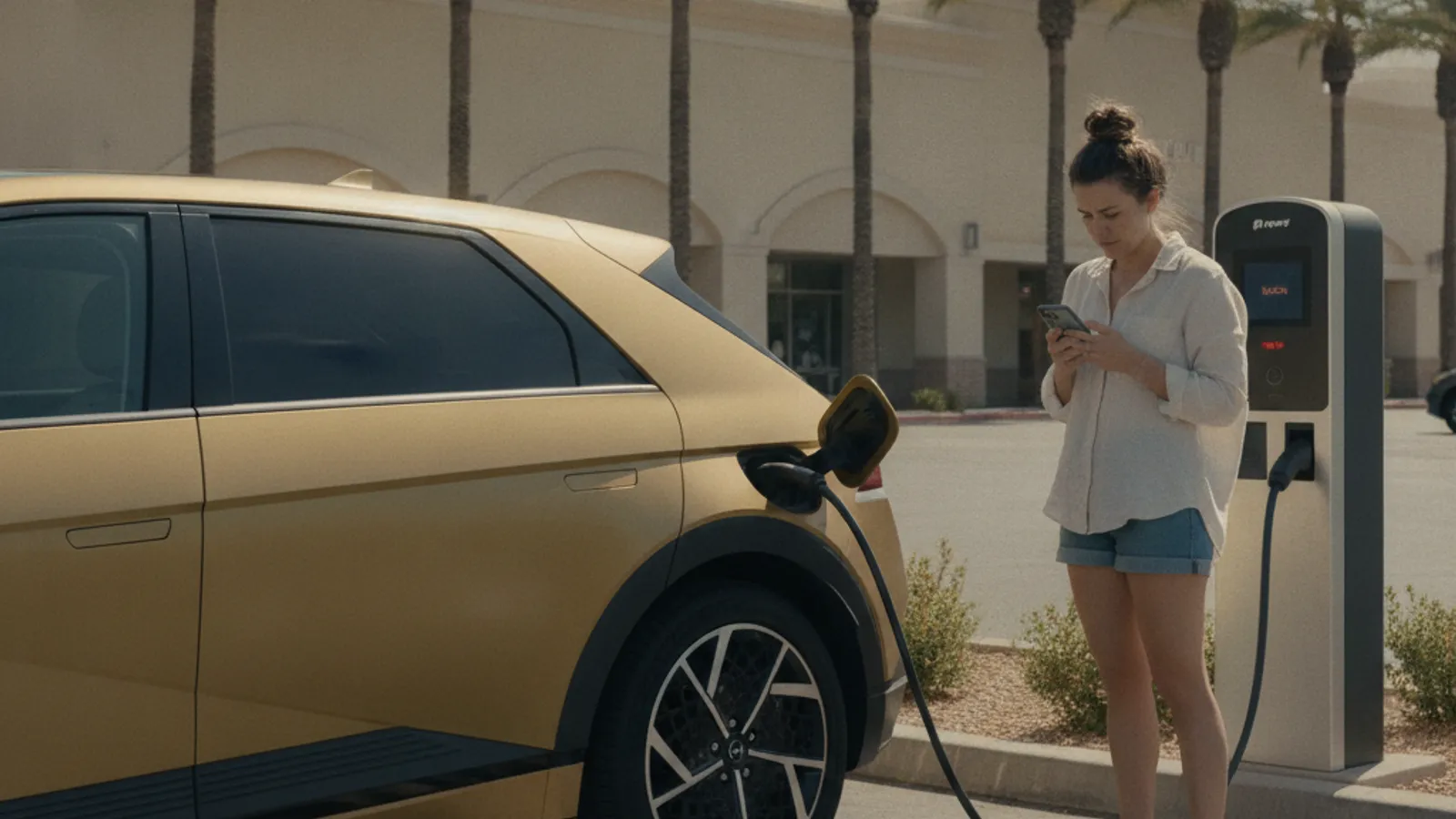
A public charger won’t start in a Sunrise Manor apartment lot. You’re in the heat, and many buildings here have no home plug. EV roadside assistance in Sunrise Manor is for that stall, in that lot. Don’t spend the last miles hunting another kiosk.
Why Sunrise Manor drivers live on public stalls
Sunrise Manor sits on the east side of the Las Vegas Valley, toward Nellis. Census counts put about 199,099 people here, and 54.8 percent are Hispanic or Latino. About 22.9 percent of the housing was built before 1980.
Those years matter at the parking stall. A 1970s apartment wasn’t built around a 240-volt pedestal. Clark County Title 30 now requires EV-ready wiring in new construction. It doesn’t reach back and rewire a walk-up that already exists.
NV Energy serves Sunrise Manor. The utility publishes home EV rates, managed charging, and multifamily programs. The time-of-use EV window runs from 10:01pm to 8:00am. That helps if you already have a plug at home. It doesn’t put a working outlet in a lot that never had one.
Drivers here still wait on grocery kiosks and workplace stalls. A public post after the commute is often the whole plan. Work is often west, into the city. You leave on whatever overnight Level 1 gave you. Many apartments don’t even have that outlet. The public charger is the plan, until it fails.
East-valley heat is doing real work on the pack
The official NWS Las Vegas climate record is blunt. The average July high is 104.5F. About 78 days a year hit 100F or more. About 9.4 days hit 110F or more. The record high is 120F, set on July 7, 2024.
The urban heat island stacks on top of that. The airport runs 5 to 15F warmer than outlying areas. The east valley can run up to 11F hotter than the rim. Sunrise Manor sits in that hotter bowl, not on the west rim.
Range studies put numbers on what that does to a pack. Recurrent Auto found about 5 percent range loss at 90F. That rose to 17 to 18 percent at 100F. Cooling a hot cabin can draw 3 to 5 kW, versus about 1 kW to hold a temperature. AAA, in May 2026, measured 8.5 percent range loss at 95F. Don’t treat those as Tesla figures. Tesla hasn’t published a range-loss number we could verify.
Climate control at a dead kiosk spends miles still showing on the dash. Either path is worse than a home plug you don’t have.
Start with the phone, then the handle
Stay in park and look at remaining range first. If the buffer is already thin, troubleshoot in place. Don’t tour the east valley on a guess.
Open the charging network’s app and read stall status. ChargePoint, EVgo, and Electrify America all show it. If the post is already marked unavailable, stop feeding it your card. Check a driver-report app next. Charging apps to check before you’re stranded in the valley covers that step. Your car’s map is often late.
If the stall still claims it’s free, change the payment path. Try the RFID fob if you carry one. Try a second card in the app. A declined charge and a dead cabinet look the same on the screen.
Only then touch the cable, and unplug it fully. Check for grit, a bent pin, or a connector that never seated. Plug in until it latches, then start the session from the phone. Don’t keep tapping the kiosk over and over.
Move one stall over if the lot has one. Cabinets share power, so one handle can be dead while the next still works. That’s the last on-site test. Give it a few minutes, not a half hour.
A different failure is a session that says connected and never adds energy. Same outcome: you’re not charging, and the lot is still hot.
Why these public posts fail more than a Supercharger
Tesla builds, owns, and services Superchargers as one system. When a stall breaks, one company owns the repair. ChargePoint, EVgo, and Electrify America often don’t. A property owner may own the hardware. The network may only run software and billing. A snapped latch then waits on two inboxes.
Public cables also live a harder life. Dozens of drivers a day yank the same handle and drop it. Desert heat cooks the cabinet electronics. Dust and monsoon grit get into the connector.
The charger also has to reach a billing server before it’ll start. If that link drops, a perfect cable still does nothing. That’s why the app restart matters. It’s a network problem sitting on a stall.
Stay with the stall in front of you. Then decide whether to move the car at all.
Chasing another stall on a thin pack is how this gets worse
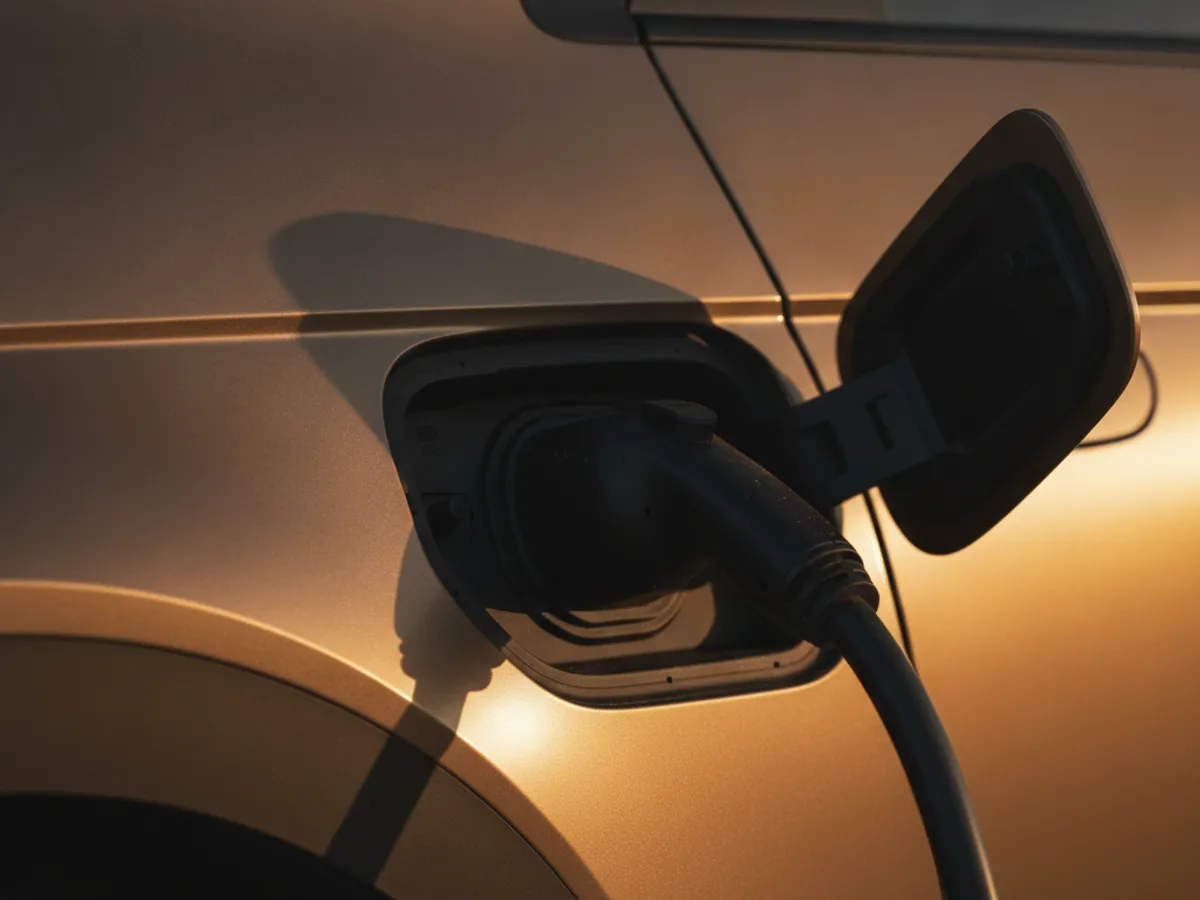
A failed kiosk tempts you to roll. Resist that if remaining range is already short. East-valley streets, westbound traffic, and a running climate system spend more than the estimate assumes. The map may say you’ll arrive with a few percent. That’s how cars end up sitting on the shoulder.
Do the research from a parked, legal spot. Confirm a stall is actually working. Then move once, with a destination, not a tour. If you can’t confirm a live stall, stay put.
EV roadside assistance exists for that decision, and so does sitting still. What doesn’t help is a slow cruise around apartment complexes looking for a green light.
NDOT’s Freeway Service Patrol covers the busiest Las Vegas Valley freeways. Hours are 5:00am to 8:30pm, seven days a week. Quality Towing operates it, and GEICO sponsors it. It’s free to motorists for tire changes, jump starts, fuel, minor fire suppression, and traffic control. NDOT’s published patrol materials don’t mention EV charging. An apartment lot also isn’t a freeway shoulder. That patrol won’t appear between parked cars in a complex.
Nevada 511 and nvroads.com show closures and cameras. They won’t authorize a charge.
Private-property tows follow different rules. Under NRS 706, a tow from private property needs posted signs and a 48-hour warning sticker. Don’t assume you can camp on a failed charger overnight. A property manager can still have a disabled car moved. Get the car able to roll, or get permission to leave it. Don’t wait until the lot treats it as abandoned.
Decide what actually died
From the sidewalk, three failures look the same.
The dash is on, the car unlocks, and this stall won’t start a session. That’s a charger or network problem. You already did the stall tests. Next step is energy at the car, or a confirmed working stall you can actually reach.
The car won’t wake, the app can’t connect, and the doors are stubborn. Think 12V, not an empty traction pack. Valley heat wears that small battery even when the traction pack still has energy. A jump or an on-site 12V replacement is a different job from adding range. Tell the operator what the dash is doing.
The traction pack is at zero, or so close the car won’t take a public session. You need a charge delivered to the parking stall.
Drivers in Sunrise Manor apartments who already ran too low hit this fork a lot. There’s no home plug, and a public post failed. A westbound commute spent the buffer. The car is still in the complex. That’s where the help should show up.
What the operator brings to that stall
Charge Pro LV is a referral line. It matches stranded EV drivers with independent local mobile rescue operators. It performs no work, owns no trucks, and employs no technicians. It doesn’t set prices or publish hours. The operator quotes you before starting, then bills you directly. The pros we connect you with are licensed and insured.
Operators bring a 240V Level 2 source to the car. Tesla drivers get a native NACS plug. Other brands get a CCS or J1772 adapter. A typical session adds 10 to 20 miles of range. That takes 15 to 30 minutes of charging. That number is charging time. It isn’t how long anyone takes to arrive.
Ten to twenty miles is often enough to leave the complex. That’s the job mobile EV charging is for. In Sunrise Manor it usually happens between parked cars, not on a freeway shoulder.
Nellis Air Force Base is about eight miles northeast of the valley core. This community is on that east-valley approach. You may have been aiming west toward Winchester and the resort corridor. Don’t spend the last miles on that crossing after a failed plug. Stay in the lot and add range here.
For the community overview, use EV charging in Sunrise Manor.
When the failed charger is already a rescue call
Skip the scavenger hunt when any of this is true.
You already tried a second stall or a second network in the same lot. Remaining range is too thin to wander in 100F air. You have a shift, a school pickup, or a timed errand you can’t slide. It’s late, and you don’t want to keep relocating the car through a dark complex.
Say whether the car will wake. That split decides jump versus charge. Tesla and every major EV brand are in scope. The operators this line connects you with handle both.
When the public charger has failed and the car is still in the lot, call (702) 935-4699. Charge Pro LV will connect you with an independent operator. That operator quotes the job before it starts.
Frequently asked questions
Why will a public charger refuse to start a session?
Most refusals come from a loose connector or a dropped network handshake. A payment that won’t clear can look the same. So can one bad stall on a shared cabinet. Check stall status in the app, reseat the cable, and try the neighbor post. If the lot is still dead, stop. Heat will spend the miles you have left.
Is the fault my car or the kiosk?
If the same car charges at home, the stall is the problem. Another public unit that works points the same way. A true vehicle fault usually throws an error on your dash. A quiet dash and a red kiosk screen point at the charger.
What do I do if I’m stuck in a Sunrise Manor apartment lot?
Stay in a legal parking spot. Don’t burn remaining range on a tour of other complexes. Confirm a live stall before you move. If you can’t, ask for a mobile Level 2 charge at the car. The operator quotes you first. A typical charge adds 10 to 20 miles in 15 to 30 minutes of charging time.