A Model X sat in a resort valet deck on the Strip for three days. The owner flew home, came back, and asked for the car. The valet brought it around. The screen was dark. The falcon-wing doors wouldn’t open. The owner assumed the traction pack was empty. The valet had been charging it the day before. The 12V had died in the deck heat.
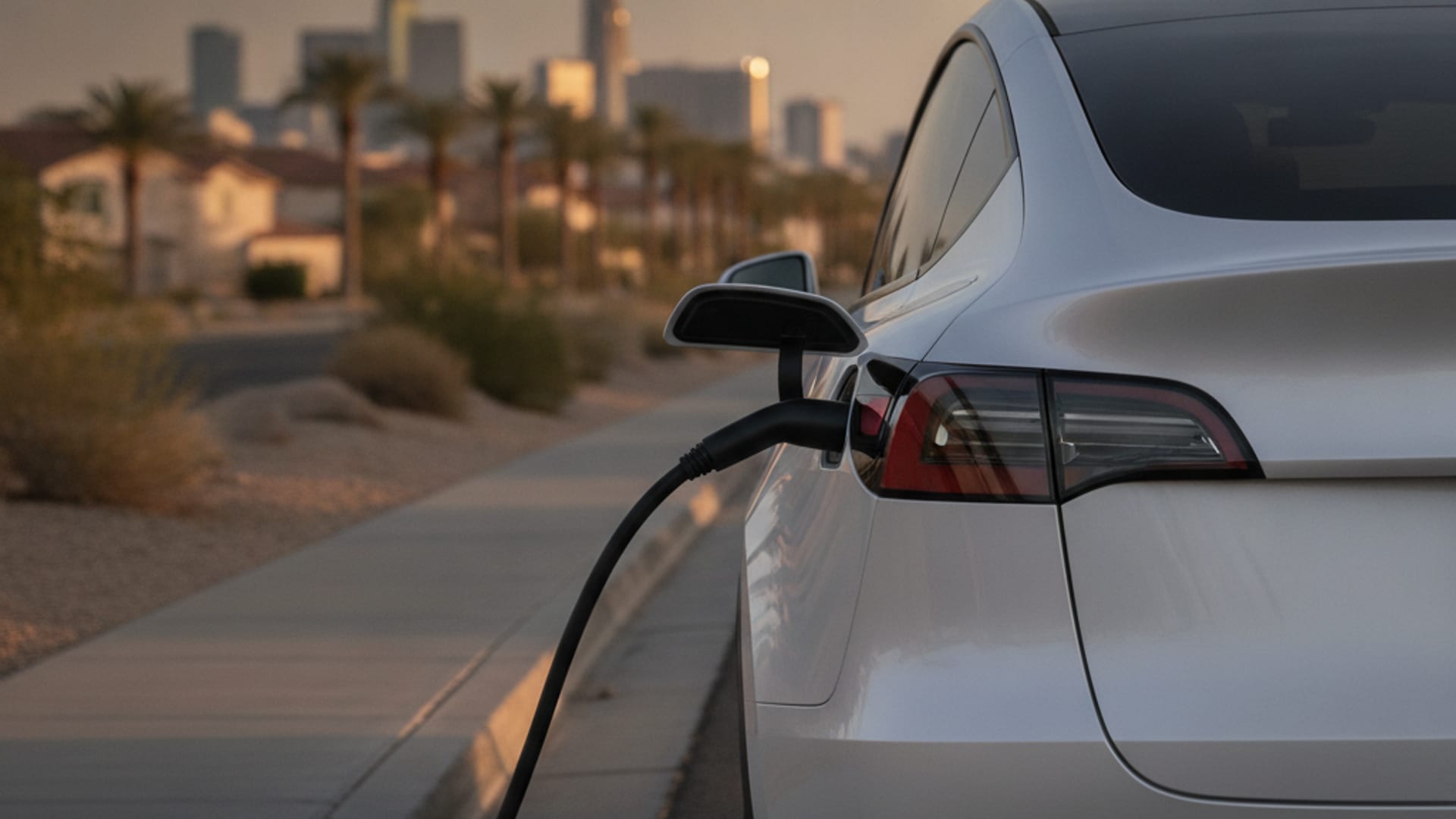
Why the Model X 12V fails after a resort sit
The Model X uses a 12V battery for the same reasons every Tesla does. The 12V runs accessories, the touchscreen, the door handles, and the wake-up handshake. The traction pack is a separate, high-voltage system.
The 12V has no thermal management. Heat kills it. The NWS Las Vegas climate record puts the average July high at 104.5F, with about 78 days a year at or above 100F. A valet deck in the sun adds another 20 to 30F. A closed garage in summer holds heat all night. The 12V sits in that air.
Resort sits are a known failure pattern. The owner parks, flies out, comes back four days later. The valet brings the car. The car won’t wake. The owner assumes the worst. The cause is usually the 12V.
A similar pattern shows up at valet decks at MGM Grand, Caesars, and Wynn. Cars that sit for 24 hours in the deck often come back with a weak 12V. Cars that sit for three days almost always come back with a dead one. Tesla 12V battery failure in desert heat covers the same symptoms in every Tesla model.
The signature symptoms on a Model X
The falcon-wing doors are an early signal. If the doors won’t open on the key fob, the 12V is below safe voltage. The doors need the 12V to actuate. A dead traction pack still leaves the doors usable because the 12V is separate.
The front doors are simpler. If the driver’s door handle doesn’t extend, the 12V is below safe voltage. The handle is also 12V-driven.
The app is another signal. If the app says “vehicle offline,” the 12V can’t keep the cellular modem up. A live app means the 12V is alive enough to communicate.
Any two of these three signs pointing at the 12V means the 12V is the failure point. Skip the tow. Call Tesla 12V battery jump instead.
What an operator does on the call
The operator brings a low-voltage booster rated for the Model X 12V. The Model X uses a lead-acid 12V in most years. Newer Model X cars use a lithium 12V. The booster must match.
The booster connects to the under-hood jump posts. The posts are part of the inrush-limiting circuit. A direct connection to the 12V terminals can weld a relay. The operator knows the difference.
In most cases the car wakes on the first try. The DC-DC converter takes over. The 12V charges from the traction pack. The operator leaves the booster connected for five to ten minutes to top off the cell. The car runs a self-check. The falcon-wing doors should resume normal operation after a few drive cycles.
If the 12V is beyond recovery, the operator carries a replacement 12V rated for the year and model. The swap happens in the same lot or valet deck. The car relearns the 12V serial number in a few drive cycles.
When the traction pack is the actual problem
The 12V is the most common cause, but not the only one. A Model X that drove to the deck with a low state of charge and then sat three days may have an empty traction pack too. That happens less often because valet decks usually keep cars plugged in.
If the operator jumps the 12V and the screen comes up showing 0 percent state of charge, the next step is mobile EV charging. The operator brings a 240V Level 2 source with a native NACS plug. A typical session adds 10 to 20 miles of range in 15 to 30 minutes.
If the operator jumps the 12V and the screen shows a normal state of charge, the 12V was the only problem. The operator disconnects, the car runs a self-check, and the owner drives away.
Why the matched operator matters
A general tow operator may not have the right booster for a Model X. The Model X 12V jump posts are not in the same place as a Model S or Model 3. The operator needs to know the year-specific layout.
The matched operator Tesla roadside rescue comes prepared. They bring the right booster, the right cable, and the right replacement pack. They quote the job before starting.
Charge Pro LV is a referral line. It doesn’t own trucks, doesn’t hold trade licences, and doesn’t set prices. The matched operator quotes the job before starting and bills you directly. The matched operator’s work is the work the matched operator performs.
How to prevent the resort-sit failure
Three habits help.
Ask the valet to plug the car in. Most valet decks have 120V outlets. A slow Level 1 charge over three days won’t refill a high state of charge, but it keeps the 12V topped off through the DC-DC converter. The car wakes when the owner returns.
If the sit will be longer than a week, arrange for the valet to start the car and run the climate for ten minutes every few days. That wakes the BMS and tops off the 12V. Confirm with the valet team before relying on this.
Use a battery tender for sits longer than two weeks. A tender plugs into the 12V posts and keeps the cell topped off. The matched operator can recommend a tender and show where to plug it in.
Related guides
For another angle on the same valley stall, see Tesla Model S won’t start after valley heat.
Frequently asked questions
Why do falcon-wing doors fail on a dead 12V?
The doors are actuated by electric motors that run on 12V. A dead 12V means no power to the motors. The doors stay closed. Once the 12V is awake, the doors should resume normal operation after a recalibration.
Can the operator jump the 12V in a valet deck?
Yes, in most cases. The operator works in the deck at the car’s stall. The work happens on the same level as the car. The operator quotes the job before starting.
What does a Model X 12V replacement cost?
Pricing depends on the year and the chemistry. A lead-acid 12V is less expensive than a lithium 12V. The matched operator quotes the cost before starting the swap.
Will the car throw warnings after the 12V swap?
A brief period of warnings is normal. The BMS needs a few drive cycles to relearn the new pack. The warnings clear on their own. If they don’t clear within a day, the operator returns for a diagnostic.
Can the operator meet me at Harry Reid long-term parking?
Yes. The matched operator works in valet decks, garage structures, and airport lots across the valley. The matched operator EV roadside assistance covers the full metro.