Your Kia EV6 is at an Electrify America stall in a strip mall lot off Russell Road. You plug in, the dashboard says “connected,” and the kiosk never starts a session. You wait. Nothing. The pack shows 4 percent. From the seat, that looks like a dead pack. It is more likely a heat handshake fault at the public post, and the fix is rarely what the dash makes you fear.
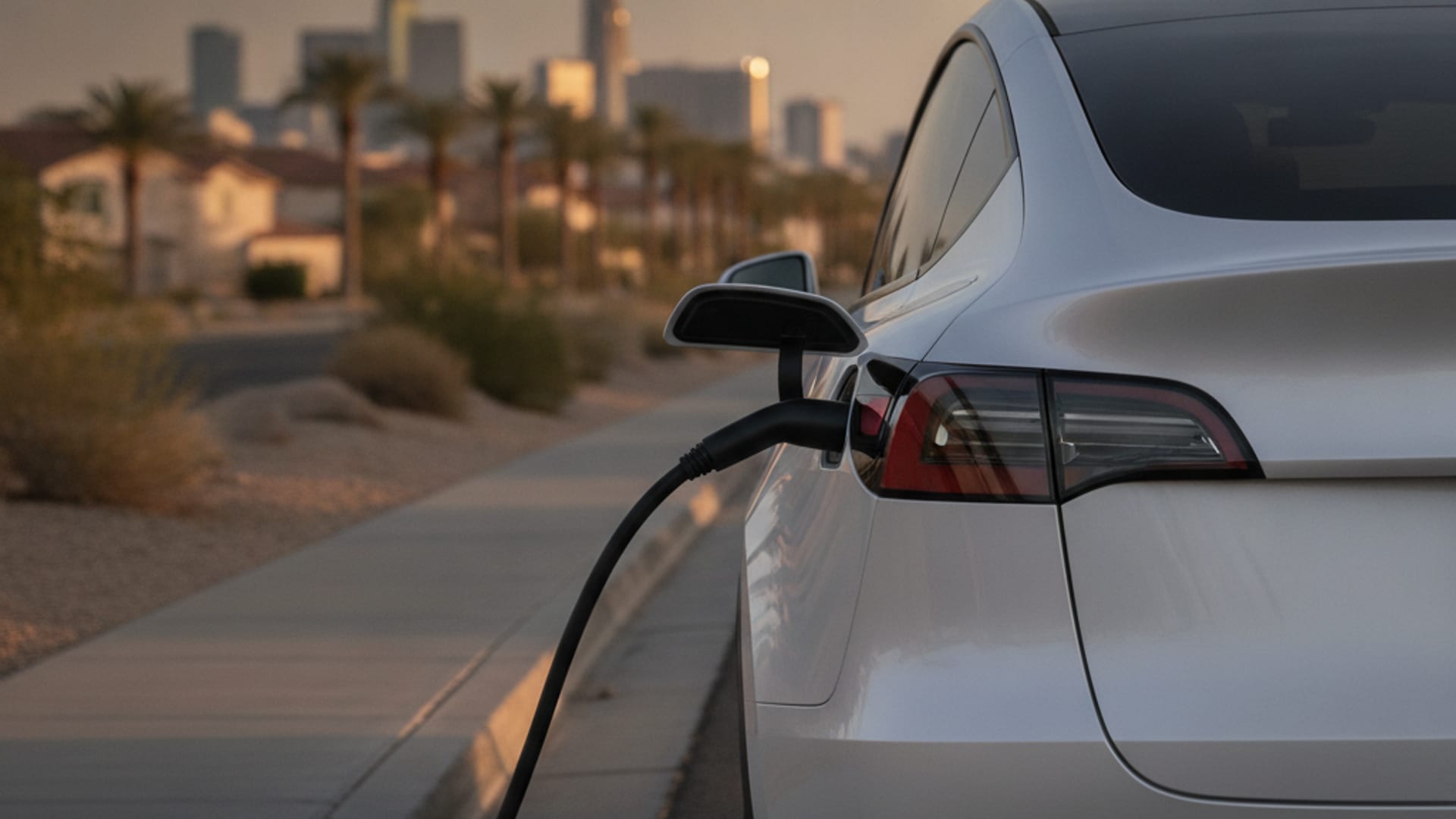
Why an EV6 won’t charge in valley heat
Heat does two things to a public charging session on an EV6.
It overheats the cabinet. The kiosk’s power electronics live outside in the sun. The cabinet fans run harder as the day climbs. Once the cabinet crosses its thermal limit, it refuses a session or throttles to almost nothing. You see a red screen or a stall marked unavailable. The cable was never the problem.
It overheats the car’s charge port and the BMS handshake. The EV6 monitors the inlet temperature and the pack temperature. Above a threshold, the car refuses to draw full current. You see “connected” and “charging” on the dash, but no kW flows. The cable is fine, the cabinet is fine, the car has throttled the session to protect itself.
Add a third cause that is not heat: a network handshake failure. The cabinet has to reach a billing server before the session starts. If that link drops, a perfect cable still does nothing. The kiosk screen says “initializing” forever.
The first checks from the seat
Open the charging network’s app and read stall status. ChargePoint, EVgo, and Electrify America all show it. If the post is already marked unavailable, stop feeding it your card. Check a driver-report app next. Read EV charging apps before you’re stranded in the valley for that workflow. Your car’s map is often late.
If the stall still claims it’s free, change the payment path. Try the RFID fob if you carry one. Try a second card in the app. A declined charge and a dead cabinet look the same on the screen.
Only then touch the cable, and unplug it fully. Check for grit, a bent pin, or a connector that never seated. Plug in until it latches, then start the session from the phone. Don’t keep tapping the kiosk over and over.
Move one stall over if the lot has one. Cabinets share power, so one handle can be dead while the next still works. That’s the last on-site test. Give it a few minutes, not a half hour.
What the EV6 does that is unique
The EV6 supports 800V architecture. Some public posts deliver 350 kW. A heat-throttled EV6 will still pull more than a 400V car at the same cabinet. But a 350 kW cabinet at full load is the cabinet most likely to throw a thermal fault. If the stall you’re at is at 350 kW and the session won’t start, walk to the 150 kW stall on the same island. The 150 kW cabinet runs cooler and is more likely to start.
The EV6 also uses CCS1 in North America. The matched mobile operator carries a CCS1 adapter. A mobile EV charging session at the stall uses Level 2, not DC fast, but it adds the miles the public post refused.
When the public post is not the problem
A few failures look like a heat fault but are not.
A fault in the EV6’s own charge port. Heat can swell a port latch or bend a pin. The cable will not seat. The dash may throw a “check charging system” message. Operators carry tools to release a stuck cable and the right adapter to work around a bent pin. Read what to do when an EV charge port is stuck for that pattern.
A truly empty pack at 0 percent. A session starts, but the pack is so low that the car spends the first few minutes pre-conditioning before drawing real current. That looks like a stall, then it suddenly starts. Wait five minutes before you conclude the kiosk is dead.
A high-voltage warning or a service message. The car threw a fault. The 12V is fine. The pack or a contactor is the problem. That car needs a tow to a dealer, not a roadside charge.
What to do when the public stall stays dead
Pull into a legal parking spot in the same lot. Do not drive to a different lot on a 4 percent pack. East-valley streets, westbound traffic, and a running climate system spend more than the estimate assumes. Stay with the car and call.
If the pack is under 5 percent, the matched operator through Charge Pro LV brings 240V Level 2 to the stall. A typical session adds 10 to 20 miles of range in 15 to 30 minutes of charging time. That is charging time, not a clock on arrival. The matched operator quotes the job before starting and bills you directly.
If the pack has enough range to reach a confirmed working charger, drive there instead. Confirm the stall is alive in the network app before you move. Do not tour the east valley on a guess.
What NDOT Freeway Service Patrol covers
NDOT Freeway Service Patrol covers the busiest valley freeways from 5:00am to 8:30pm, free to motorists. The patrol offers tire changes, jump starts, fuel, minor fire suppression, and traffic control. NDOT’s published patrol materials do not mention EV charging or EV-specific service. An EV stall on a freeway shoulder is still a candidate for NDOT FSP help if the failure is a 12V or a tire. A public charger failure on a surface street is not.
NDOT FSP will not enter a parking lot. The patrol works the shoulder, not the strip mall lot. For a parking-lot stall, call Charge Pro LV.
How to call
Call Charge Pro LV at (702) 935-4699. Tell the line you drive a Kia EV6, where the car is sitting, what the pack shows, and what the kiosk screen says. The matched operator carries CCS1 gear and quotes the job before starting. A typical Level 2 session adds 10 to 20 miles of range in 15 to 30 minutes of charging time.
Related guides
For another angle on the same valley stall, see Public charger says connected but isn’t charging in the heat.
For the broader stall pattern, read EV charging apps before you’re stranded in the valley and EV charging stopped at a random percent.
Frequently asked questions
How do I know if the public charger is dead or my EV6 is the problem?
If another stall on the same island starts a session, the kiosk is the problem. If another public network’s stall starts a session, the same kiosk. If your EV6 charges at home on Level 2 without a fault, the public post is the issue. A true vehicle fault usually throws an error on your dash.
Does heat actually stop an EV6 from charging?
Yes. The car throttles current above a thermal threshold to protect the pack. The cabinet also throttles or refuses sessions when its own electronics overheat. Both are normal behavior. The stall is the symptom, not a fault.
Will a mobile EV rescue truck charge my car faster than a public stall?
No. A mobile truck’s Level 2 source is slower than a working DC fast charger. The session is real Level 2, not a fast-charge substitute. The matched operator brings the truck because the public post failed, not because the truck is faster.
Can I leave the EV6 at a dead public stall overnight?
Carefully. NRS 484B.440 lets a disabled vehicle stay on a highway when it cannot avoid stopping. NRS 484B.443 lets law enforcement remove a vehicle after 24 hours on a freeway. Private property tows follow NRS 706. Get permission to leave the car from the property manager. Do not assume you can camp on a failed charger.
What does NDOT Freeway Service Patrol do for an EV stall?
NDOT FSP covers tire changes, jump starts, fuel, minor fire suppression, and traffic control on the busiest valley freeways from 5:00am to 8:30pm, free to motorists. NDOT’s published patrol materials do not mention EV charging. For a public-charger stall, call Charge Pro LV.